
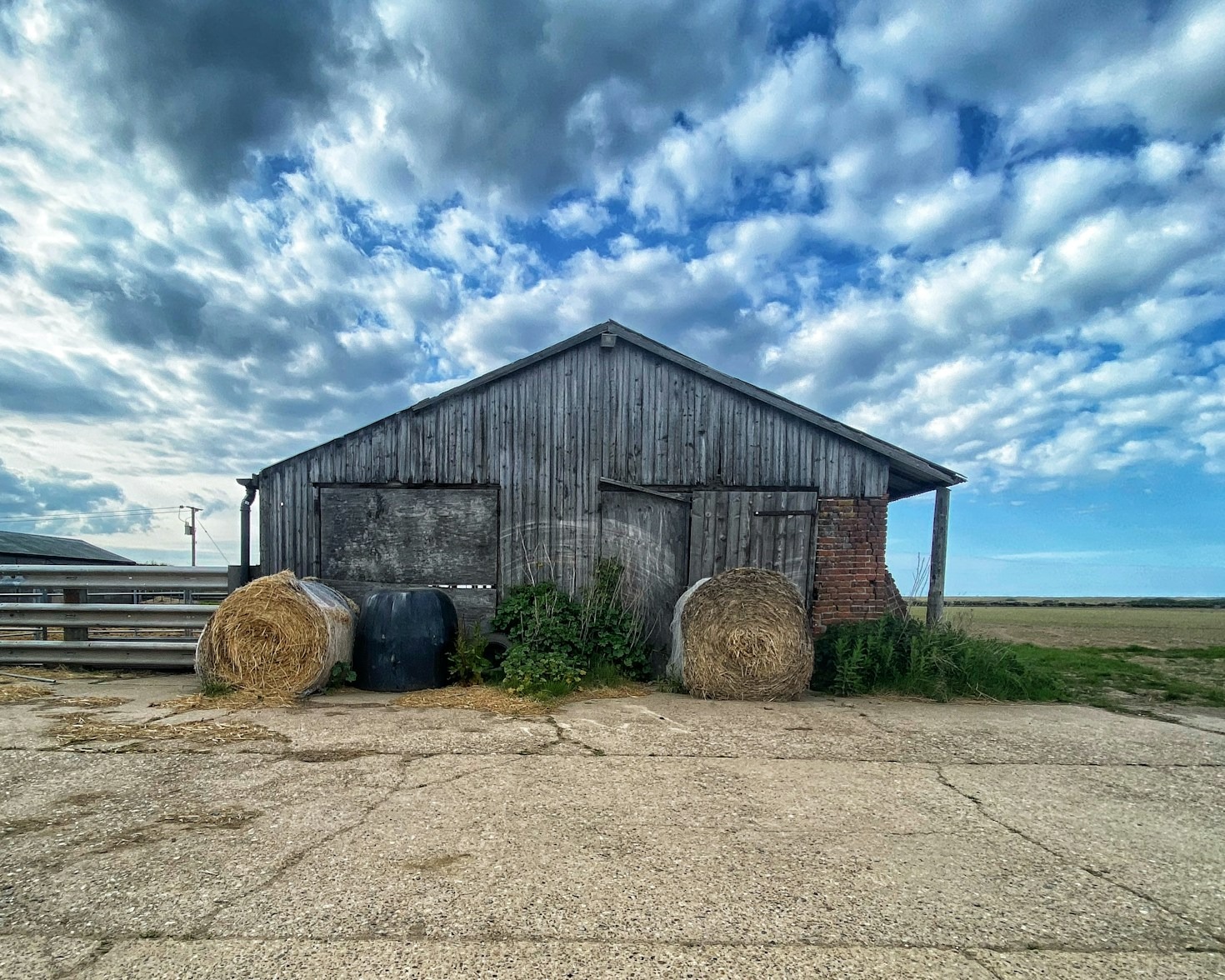
There is something profoundly restorative about life on the farm. Long before clinical language existed for trauma, addiction, anxiety, or burnout, people understood that the land itself had a way of bringing order to chaos. Dirt under the fingernails, animals that need care, fences that must be mended, and days that follow the rhythm of the sun—these simple realities have become a quiet but powerful path toward healing for many.
The Healing Power of Rhythm and Responsibility
Farm life runs on rhythm. Morning chores don’t wait for motivation, mood, or past mistakes. Animals need to be fed. Water troughs must be filled. Fields require attention. This steady, predictable routine gently retrains a fragmented mind. For those coming out of seasons of instability—whether addiction, incarceration, trauma, or loss—this rhythm provides structure without pressure and accountability without condemnation.
Responsibility on the farm is real but redemptive. Caring for animals or crops reminds people that their actions matter. Life responds to consistency. When you show up, things grow. When you neglect them, things wither. This cause-and-effect reality restores a sense of agency that many have lost.
Nature as a Regulator of the Soul
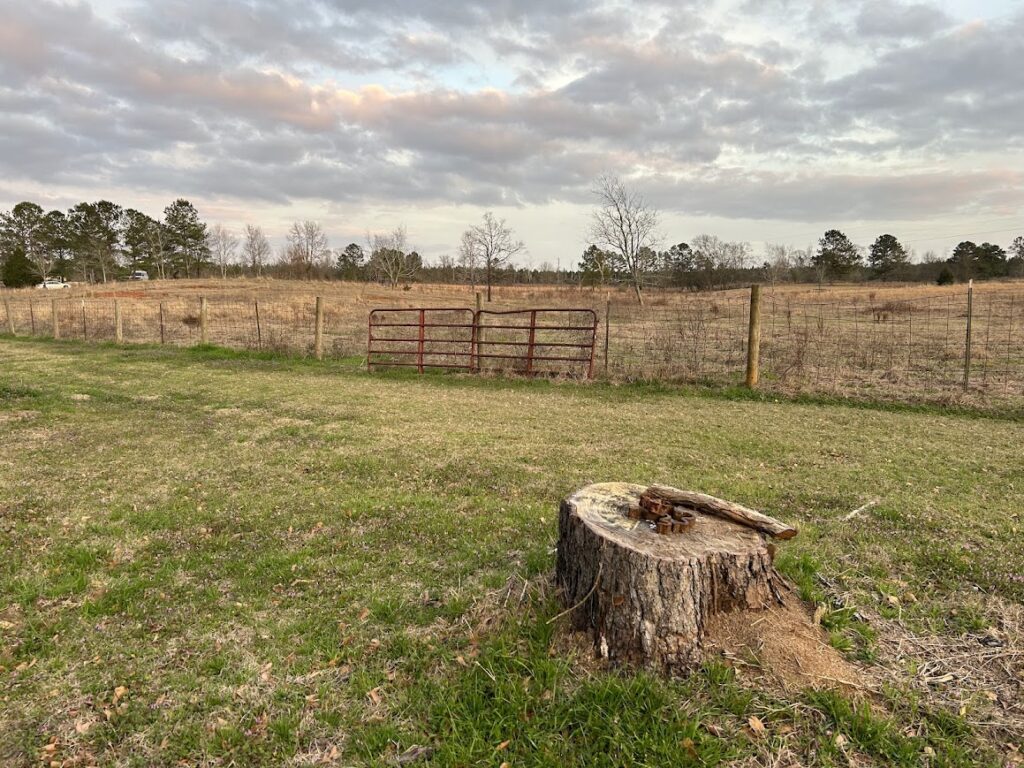
Modern life overstimulates the nervous system. Screens, noise, deadlines, and constant comparison keep people in a state of alertness that wears them down. The farm does the opposite. It slows the mind and grounds the body. The sounds of wind through trees, livestock moving in the pasture, or boots crunching on gravel have a calming effect that no app can replicate.
Nature doesn’t rush healing—it allows it. The land teaches patience. Seeds do not sprout overnight, and seasons cannot be forced. In learning to wait on the land, people relearn how to wait on themselves.
Honest Work Builds Honest Identity
Farm work is tangible. You can see what you’ve done at the end of the day. A repaired fence stands straight. A stall is clean. A field is cleared. This visible progress restores dignity and builds confidence, especially for individuals whose pasts are marked by failure or broken trust.
There is no pretending on the farm. You can’t talk your way out of a chore, and you can’t hide from results. This honesty is healing. It replaces shame with growth and replaces excuses with effort. Over time, people stop defining themselves by who they were and start discovering who they are becoming.
Animals as Silent Teachers
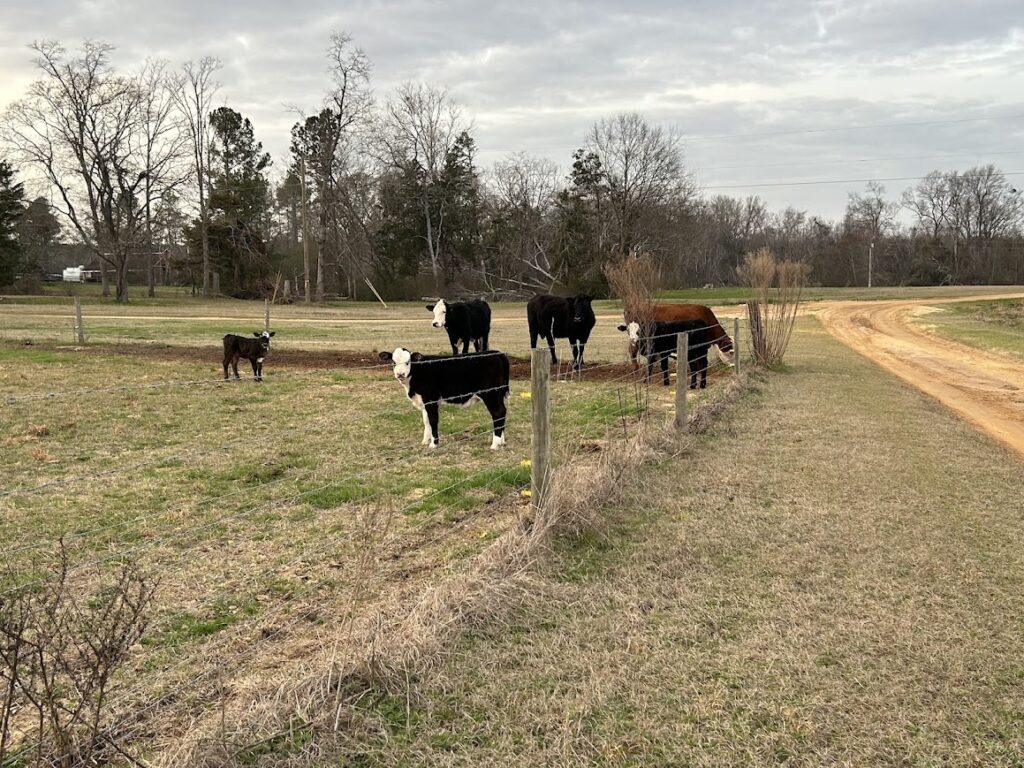
Animals play a unique role in healing. They do not judge history or labels. They respond to tone, presence, and consistency. A nervous horse teaches patience. A stubborn mule teaches humility. A loyal dog teaches trust.
For people who struggle with relationships, animals often become the first safe place to practice care, leadership, and gentleness again. Trust is rebuilt quietly, one interaction at a time.
Community Without Pretenses
Farm-based healing environments often foster authentic community. Working side by side breaks down barriers faster than sitting face to face. Conversations happen naturally while fixing equipment, feeding animals, or walking fields. There is room for silence, laughter, confession, and growth without pressure.
People begin to realize they are not alone. Everyone is working on something. Everyone is learning. The farm becomes a shared mission, and shared mission builds belonging.
A Return to What Was Lost
At its core, life on the farm reconnects people to something ancient and essential. It reminds us that we were created to steward, to cultivate, to care, and to grow. Healing doesn’t always come from escaping reality—it often comes from reentering it with purpose.
In a world searching for quick fixes, the farm offers something slower but deeper: restoration through work, peace through simplicity, and hope rooted in the steady faithfulness of the land.
Leave a Reply